 Ultimate guide
The Collector's Guide to Finding Rare Collectibles in Local Shops
Last Updated: November 16, 2026
Quick Summary
Finding rare collectibles in local shops comes down to a repeatable in-store sweep: scan the front display case, new arrivals, category bins, back shelves, then ask the counter what came in this week. Generic labels like "misc. toys" signal items that arrived in bulk lots and were never researched, so pull them and check for brand marks, matching packaging, and prices far below comparable sales.
- Work the five zones in order and finish with a counter conversation about unprocessed stock.
- A generic label such as "misc. toys" usually means the item was never researched or priced.
- Check completed sales, not asking prices, before committing to any item.
- Grade condition before you negotiate, since condition drives value more than rarity does.
- Bundle offers get accepted far more often than single-item haggling.
Table of Contents
- Why Local Shops Still Beat Online Marketplaces for Rare Finds
- A Repeatable In-Store Search Process That Uncovers Hidden Treasures
- Where to Hunt: Antique Shops, Thrift Stores, Pawn Shops, and Collectibles Stores
- How to Identify Valuable Collectibles Before You Buy
- Collectible Condition and Grading: A Field Checklist
- Finding Rare Collectibles Near Me: A Location-by-Location Search Plan
- Negotiating Collectible Prices Without Burning Bridges
- Building Relationships with Local Sellers and Shop Owners
- Map Your Next Collecting Route with FANBOYS
- Frequently Asked Questions
Why Local Shops Still Beat Online Marketplaces for Rare Finds
The best rare collectibles rarely surface online first. They surface in a dusty case at the back of a local shop, priced by someone who didn't recognize what they had. That's the core argument of this guide: finding rare collectibles in local shops is a physical, repeatable skill, not a lucky accident. Online marketplaces are ruthlessly efficient at pricing. Every listing gets compared, watched, and bid up within hours. A shop's back room doesn't work that way. A box of comic books or a tray of action figures can sit for months because the owner never got around to researching it. That lag is your opportunity, and it's the reason serious collectors still spend Saturdays driving between antique shops, thrift stores, and pawn shops instead of refreshing auction tabs.
The Overlooked Advantage of Physical Inventory
A store's shelf is a snapshot of what nobody has bothered to price yet. That's the whole edge.
Online, a hard-to-find item gets identified fast. In a physical shop, identification depends on whoever is working the counter. A vintage memorabilia piece, a stack of sports cards, or a boxed collectible toy can be mispriced simply because it arrived in a bulk lot and nobody examined it. Local inventory also lets you inspect condition in person, which matters enormously for authenticity and grading. You can check corners, seams, print quality, and whether a vintage lamp has its original wiring. None of that translates through a listing photo. Shops also rotate stock constantly, so new arrivals appear without any announcement. A weekly route beats a daily scroll.
A Repeatable In-Store Search Process That Uncovers Hidden Treasures
Treat a shop visit like a route, not a wander. The collectors who consistently uncover hidden gems follow the same loop every time: scan the high-traffic displays first, then work toward the back, then ask about unprocessed stock. It takes about twenty minutes per shop once you know the layout, and it stops you from gravitating to the same glass case every visit.
Before You Walk In: Prep That Saves Hours
Call ahead or check the shop's posted hours before you drive across town, since small stores change schedules without notice. Our guide to verifying local store hours before you go walks through the fastest ways to confirm a shop is actually open. Then check what's on the floor before you arrive, using how to search a comic store's inventory so you know which cases and boxes to target first. A five-minute call saves an hour of wasted driving.
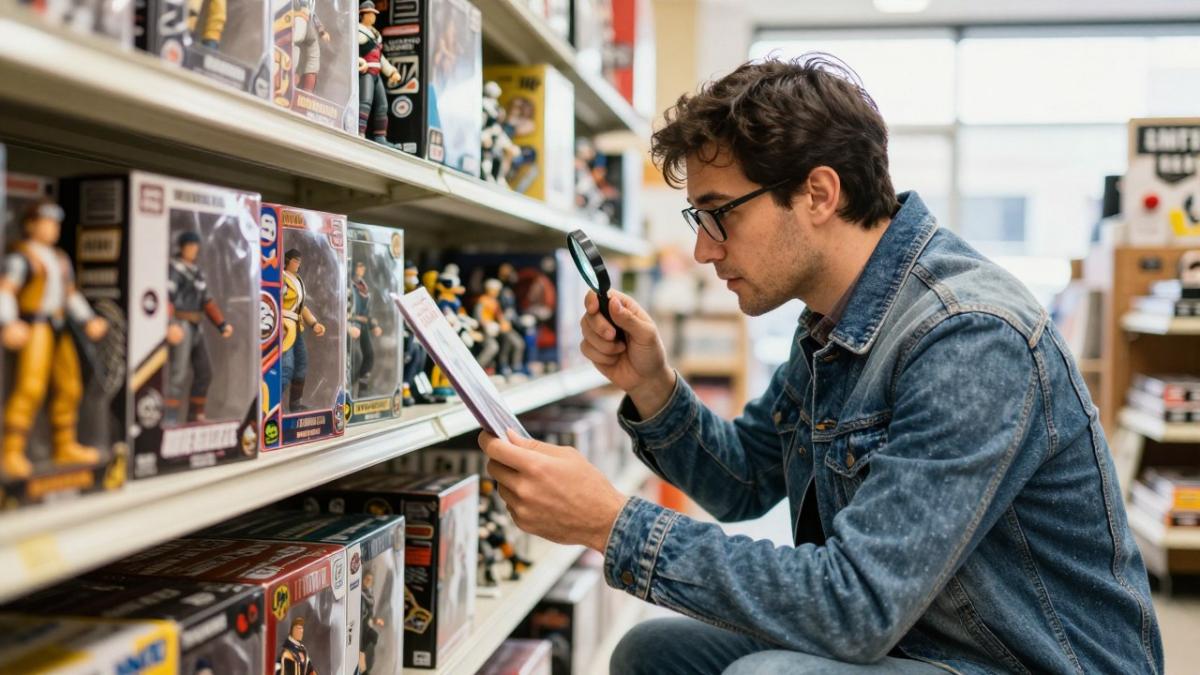
Carry a short kit: a jeweler's loupe or a phone macro lens, a small flashlight, a soft microfiber cloth, a tape measure, and a notebook or notes app. Bring a list of the specific items you are hunting and the price you are willing to pay for each, so you are not deciding under pressure in the aisle.
The Five-Zone Sweep: How to Browse a Shop in 20 Minutes
Work these zones in order, every visit:
- Front display case, priced, picked-over, but occasionally mislabeled
- New arrivals rack, highest turnover, check weekly
- Genre or category bins, where sorting errors hide valuable items
- Back shelves and boxes, the real hunting ground
- Counter conversation, ask what came in this week and what's not out yet
The fifth zone is the one most people skip. It's also where the best finds come from.
How to Scan a Shelf and Read a Label
Scanning is a physical routine, not a glance. Work left to right and top to bottom so you do not re-check the same shelf twice. At each shelf, read every label and price tag before you touch an item. A generic label such as "misc. toys" or "old cards" is a signal, not a warning: it usually means the item arrived in a bulk lot and was never researched. A handwritten price with no description is worth a closer look. A printed barcode label with a full description usually means the shop already did the work and priced it close to market.
When a label looks generic, pull the item and run three quick checks. First, look for a brand, copyright line, or manufacturer mark, which tells you the line and often the year. Second, check whether the packaging matches the item, since a mismatched box is either a replacement or a sign the seller did not examine it. Third, compare the asking price against what you know about the line. If the price is far below what the item typically sells for in that condition, set it aside in your "investigate" pile rather than buying on the spot.
Deciding What to Investigate Further
Not everything worth a second look is worth a purchase. Use a simple three-question filter before you commit:
- Is it identifiable? If you cannot name the line, year, and variant, photograph it and research it before you buy.
- Is the condition consistent with the price? A sharp copy of a common item can beat a worn copy of a rare one, so grade before you negotiate.
- Is there a real buyer base? Check completed sales, not asking prices, for the same item in a comparable grade.
Watch out: a low price on an item you cannot identify is not a bargain until you know what it is; buying first and researching later is how collections fill up with reproductions and common items.
Turning the Sweep into a Habit
Log each visit with the shop name, date, and what you saw in each zone. After a month you will know which shops restock fast, which ones leave back stock unpriced, and which ones are picked over by the time you arrive. That log is what turns a lucky Saturday into a repeatable route.
Where to Hunt: Antique Shops, Thrift Stores, Pawn Shops, and Collectibles Stores
Each store type hides a different category of treasure, and knowing which is which keeps you from wasting trips. Antique shops reward patience with vintage memorabilia, antique bottles, vintage lamps, maps, and circus posters, often in glass cases with loose pricing. Thrift stores move fast and price low, which makes them the best source for overlooked comic books, stuffed animals, hats, and one-of-a-kind finds that staff didn't recognize. Pawn shops and secondhand stores carry harder goods: sports cards, watches, electronics, and occasionally boxed collectible toys from estate buys.
Dedicated collectibles stores are the opposite of a gamble. Their stock is curated and priced close to market value, so you go there for hard-to-find items you can't source elsewhere, not for bargains. Use our guide to finding local comic shops near you to build a route, and browse comic shops, collectibles stores, and fan events by category to see which shop types cluster near you before you plan a day out.
| Store Type | Best For | Pricing Reality | Visit Frequency |
|---|---|---|---|
| Antique shops | Vintage memorabilia, bottles, lamps, maps | Loose, often negotiable | Monthly |
| Thrift stores | Comics, toys, overlooked one-of-a-kind finds | Low, rarely negotiable | Weekly |
| Pawn shops | Sports cards, hard goods, estate items | Firm but researched | Monthly |
| Collectibles stores | Curated hard-to-find items | Near market value | As needed |
How to Identify Valuable Collectibles Before You Buy
Value hides in plain sight, and four signals do most of the work. First, scarcity within a known line: a variant cover, a short-printed card, a discontinued action figure mold. Second, condition that outpaces the price tag, since a sharp copy of a common item can beat a worn copy of a rare one. Third, misidentification by the seller, which shows up as a valuable item filed in the wrong bin. Fourth, provenance: original packaging, receipts, or a documented history push resale value up.
Item rarity is not the same as demand. A genuinely scarce piece with no collector base sits unsold for years. Check completed sales, not asking prices, before you commit. The Library of Congress preservation guidance is a useful starting point for understanding how paper and printed materials deteriorate, which directly affects comic books and vintage posters.
The Four Signals of an Undervalued Item
- Priced below comparable recent sales for the same grade
- Sitting in the wrong category bin
- Missing from the seller's own research, visible as a generic label
- Bundled with low-value items in a single lot price
Collectible Condition and Grading: A Field Checklist
Condition drives market value more than rarity does, so grade before you negotiate. Bring a loupe, a small light, and a soft cloth. Check for spine ticks and color breaks on comics, surface scratches and print lines on cards, paint rub and joint looseness on action figures, and restoration or rewiring on vintage lamps. Ask whether an item has been cleaned, repaired, or reboxed. Run this checklist in the shop: The same close inspection of paint, joints, and packaging can help you judge a vinyl figure’s condition before comparing notes with Pop Pelican.
- No water damage, foxing, or musty smell
- Corners and edges sharp, no creasing
- Original packaging present and undamaged
- No restoration, repainting, or replaced parts
- Signatures or markings verified, not assumed
- Photos taken before purchase for your records
Authentication is the step most buyers skip. For signed items, compare the signature against known examples. For graded cards and comics, verify the certification number with the grading company directly rather than trusting the slab.
Finding Rare Collectibles Near Me: A Location-by-Location Search Plan
Search results for rare collectibles near me return whatever ranks, not what's actually close. Build the list yourself instead. Start with a radius you'll realistically drive, then layer in shop types: two antique shops, three thrift stores, one pawn shop, one collectibles store. Map them into a loop so you're never backtracking. Call each one the week you plan to visit and ask two questions: what came in recently, and do you have unpriced back stock.
Comparing Local Sources by Inventory and Trade-Offs
Each local source hides a different category of treasure, and the trade-offs are not the same. Use this comparison to decide where to spend a Saturday.
- Antique shops. Best for vintage memorabilia, antique bottles, vintage lamps, maps, and circus posters. Inventory is curated but often loosely priced, and glass cases reward patience. Trade-off: slower turnover and higher asking prices, so negotiate on flaws and bundle offers.
- Thrift stores. Best for overlooked comic books, stuffed animals, hats, and one-of-a-kind finds that staff did not recognize. Prices are low and rarely negotiable. Trade-off: fast turnover and heavy competition, so visit weekly and check new arrivals first.
- Pawn shops and secondhand stores. Best for sports cards, watches, electronics, and boxed collectible toys from estate buys. Pricing is firm but usually researched. Trade-off: less mispricing, but occasional estate lots that were never sorted.
- Estate sales. Best for single-owner collections that come to market in one place, often with original packaging and paperwork. Trade-off: early lines, as-is sales, and no returns, so inspect before you pay.
- Flea markets and local fairs. Best for volume and for dealers clearing inventory at the end of a show. Trade-off: inconsistent quality and cash-only norms, so bring small bills and a loupe.
- Collectibles stores. Best for curated hard-to-find items you cannot source elsewhere. Pricing is near market value. Trade-off: few bargains, but reliable stock and staff who know the lines.
A practical route mixes the sources: thrift stores and flea markets for volume and mispricing, antique shops and pawn shops for older inventory, estate sales for single-owner collections, and collectibles stores when you need a specific item.
Building and Tracking the Route
Map the shops into a loop so you are never backtracking, and group them by day of the week, since thrift stores and estate sales often run on different schedules. Keep a simple log of shop, date visited, source type, and what you saw. After a month you will know which shops turn over stock fast and which ones reward a monthly check.
FANBOYS lists comic shops, collectible stores, gaming venues, and fan events in one directory, so you can check what's nearby in one place.
Negotiating Collectible Prices Without Burning Bridges
Negotiation works when you give the seller a reason, not a demand. Point to a specific flaw, cite a recent comparable sale, or offer to buy a bundle. Never lead with "that's overpriced." Ask instead: "Would you take less if I buy these three?" Bundle offers get accepted far more often than single-item haggling, because the seller moves inventory.
Budgeting and Purchase Risks to Plan For
Set a hard cash budget per trip and a separate reserve for genuine surprises. The risks worth planning around: overpaying on a hot item at peak demand, buying restored goods sold as original, and tying up money in inventory nobody wants. Resale value and investment potential are not the same thing, and a piece you love may be worth less than you paid. Buy what you can afford to hold.
Building Relationships with Local Sellers and Shop Owners
Regulars get first look, and that's worth more than any discount. Introduce yourself, buy something small even on a browsing trip, and tell the owner what you collect. Ask them to set aside items that fit. Bring photos of what you're hunting so they can recognize it. Shop owners talk to each other, and a good relationship at one store often leads to a referral at another. Show up on weekdays when it's quiet, and be the customer who doesn't leave a mess in the bins.
Map Your Next Collecting Route with FANBOYS
The difference between a collector with a full shelf and one still searching comes down to repetition: same route, same sweep, same questions, week after week. Local shops reward the person who shows up.
FANBOYS is built for exactly that loop. Our centralized directory lists comic shops and collectible stores, gaming venues, and conventions, so you can find fan events in your area. Explore FANBOYS to find shops and fan events near you.
The rare finds are already sitting on a shelf near you, priced by someone who didn't look closely enough. Build the route, run the sweep, and check the back boxes. FANBOYS gives you the directory to find every shop, gaming venue, and convention worth visiting, with listings you can search by specialty and local events you can plan around. Get started with FANBOYS and map your next collecting trip.
Frequently Asked Questions
How do you find rare collectibles in local shops?
Start with a repeatable sweep: call ahead to ask about new arrivals, hit the overlooked corners first (back shelves, bargain bins, under-table boxes), and bring a want list plus a loupe and a price guide app. Visit on weekday mornings when staff have time to talk. The key is consistency. Shops rotate inventory constantly, so a route you repeat every two to three weeks will surface far more rare collectibles than one big weekend trip.
What should you look for when searching for collectibles in a comic shop?
Check the wall books and display case first for key issues, then flip through dollar and clearance bins for overlooked variants and first appearances. Look at the copyright page for printing dates, check for newsstand versus direct editions, and scan for cut-out coupons or missing inserts. Ask the owner about new arrivals and backstock that is not on the floor. Many shops hold rare collectibles behind the counter or in storage until a regular asks.
How can you tell if a collectible is rare or valuable?
Rarity and value come from three things: production numbers, demand, and condition. Check completed sales on marketplace and auction sites rather than asking prices, which are often inflated. Look for variant covers, error prints, low print runs, and first appearances. A general rule is that a piece is only worth what a buyer will pay this month, so compare at least three recent sold listings before you commit. If you cannot find sold data, treat the item as speculative.
How do you check the condition and authenticity of a collectible?
Use a loupe and a black light for printing, paper, and paint anomalies. Check seams, joints, and paint rub on figures; look for spine ticks, color-breaking creases, and restoration on comics. Grading scales run from poor to near-mint, and professional grading services can confirm authenticity for high-value pieces. For autographs, compare signatures against verified exemplars. If the seller cannot explain provenance, price the item as if the signature or claim does not exist.
How do you negotiate the price of a collectible in a local shop?
Ask what the shop can do on price rather than naming a number first. Bundle two or three items to give the owner room to discount, and pay cash when that is an option. Reference recent sold prices politely, not asking prices. A 10 to 20 percent discount is a realistic ask on slow-moving inventory; rare wall pieces often have little margin. Walk away if the number does not work. Leaving your contact info and a fair offer keeps the door open.
How can I find local shops that sell rare collectibles near me?
Search by specialty, not just by category. Comic shops, antique malls, pawn shops, thrift stores, and dedicated collectibles stores each carry different inventory. Call ahead to ask whether they stock the category you collect, and check recent reviews and social posts for new arrivals. A directory that lists comic shops, gaming venues, and collectibles stores in one place helps when you are new to an area.
Are antique stores good places to find rare collectibles?
Yes, but they reward patience and knowledge. Antique malls often have dozens of dealers under one roof, and the best finds sit in booths with vague labels like vintage toys or old paper. Bring a want list and check the back corners and upper shelves where inventory sits longest. Prices in antique stores tend to be firmer than at thrift stores, but dealers who know you are a serious buyer will often call when rare collectibles come in.